Living in the Digital Age: How Tech is Changing Our Everyday Life
Living in today's digital world means technology is part of almost everything we do. From how we talk to each other to how we entertain ourselves, tech is reshaping our daily lives. It's amazing to think about how much has changed over the years, and this article will explore the many ways the digital revolution is shaping modern lifestyles. Let's dive into how our communication, routines, work, health, and entertainment have been transformed by technology and what that means for us.
Key Takeaways
- Technology has revolutionized communication, making it faster and more accessible.
- Smart home devices and wearables are changing our daily routines for the better.
- Information is now available at our fingertips, thanks to the internet and mobile apps.
- Remote work and collaboration tools have reshaped the workplace and work-life balance.
- While tech offers many benefits, it also raises concerns about privacy and security.
Transforming Communication Methods
It's wild how much the way we talk to each other has changed, right? I remember when getting in touch with someone meant actually calling their house and hoping they were home. Now, it's all about instant access, which is a huge part of the digital transformation in society. It's not just about speed, but also about the sheer number of ways we can connect.
Instant Messaging and Social Media
Instant messaging and social media have completely changed how we keep in touch. It's like we're all living in a constant state of connection. Think about it:
- Group chats for planning events.
- Quick updates on what friends are doing.
- Sharing news instantly.
It's easy to stay in the loop, but it can also feel overwhelming sometimes. I find myself checking my phone way too often, just to see if I've missed anything. It's a blessing and a curse, I guess.
Video Conferencing Revolution
Video calls used to be a thing of the future, but now they're just... normal. I mean, who hasn't been on a video call in the last week? It's been a game-changer, especially for work. Technological innovations have made it easier than ever to connect.
Being able to see someone's face while you talk makes a huge difference. It's easier to understand tone and build relationships, even when you're miles apart. Plus, it saves a ton on travel costs for businesses.
Impact on Personal Relationships
All this tech has definitely had an impact on our relationships. On one hand, it's easier to stay connected with people who live far away. On the other hand, it can be easy to get distracted by our phones when we're with people in person. It's a balancing act, for sure. Here are some things I've noticed:
- More frequent contact with distant relatives.
- Potential for miscommunication through text.
- The challenge of being present in the moment.
Enhancing Daily Routines
Smart Home Technology
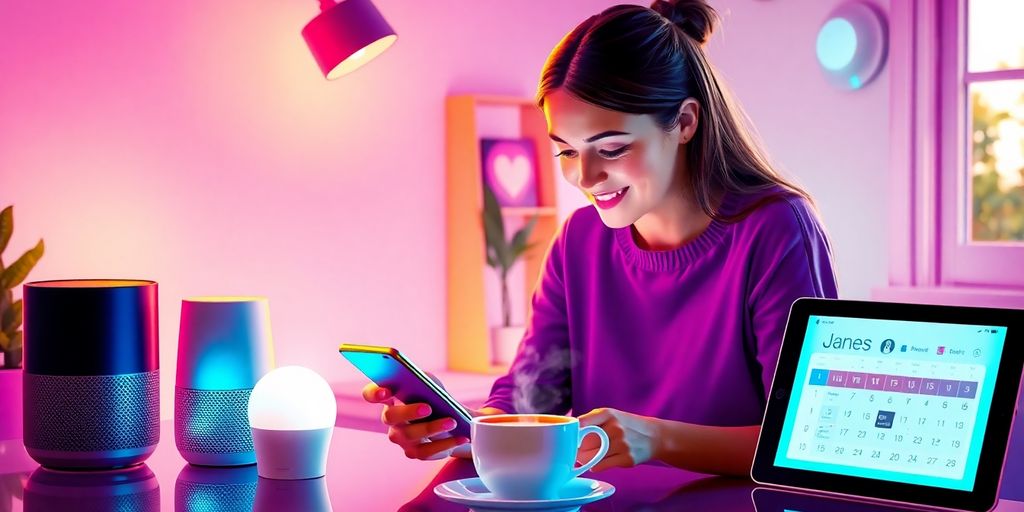
Smart home tech is changing things. It's not just about fancy gadgets anymore; it's about making life easier. Think about it: lights that turn on automatically, thermostats that adjust to your schedule, and even refrigerators that tell you when you're out of milk. It's all about convenience and efficiency. The impact of technology on daily life is huge.
- Voice-controlled assistants for hands-free operation
- Automated lighting and temperature control for energy savings
- Remote monitoring of your home for added security
Wearable Devices
Wearable devices have become a staple in the modern lifestyle changes due to technology. From fitness trackers to smartwatches, these gadgets offer a wealth of information about our health and habits. They can track our steps, monitor our heart rate, and even analyze our sleep patterns. This data can help us make informed decisions about our well-being and encourage us to live healthier lives.
- Fitness tracking and activity monitoring
- Health data analysis and personalized insights
- Notifications and alerts for important updates
Automation in Household Tasks
Household chores? Nobody likes them. But thanks to technology, many of these tasks can now be automated. Robot vacuums can clean our floors, dishwashers can wash our dishes, and even lawnmowers can cut our grass. This frees up our time and energy, allowing us to focus on more important things. Tech gadgets are really useful.
- Robot vacuums for automated floor cleaning
- Smart dishwashers for efficient dishwashing
- Automated lawnmowers for hassle-free lawn care
Automation in household tasks is not just about convenience; it's about reclaiming our time. By automating mundane chores, we can free up our schedules and focus on activities that bring us joy and fulfillment. This shift in priorities can lead to a more balanced and fulfilling life.
Accessing Information Effortlessly
The Internet as a Knowledge Hub
It's wild to think how much easier it is to find stuff out now. Remember when you had to trek to the library and hope they had what you needed? Now, the internet is basically a giant, never-ending library right at your fingertips.
- Find answers to almost anything.
- Research topics in depth.
- Stay updated on current events.
The sheer volume of information can be overwhelming, but with a little practice, you can learn to filter out the noise and find exactly what you're looking for. It's like having a superpower – instant access to knowledge.
Mobile Apps for Learning
I'm constantly amazed by all the learning apps out there. Whether you want to learn a new language, pick up a coding skill, or just brush up on history, there's an app for that. I've been using one to try and learn Spanish, and it's actually kind of fun. It's way better than those old textbooks I used in high school. These apps make learning accessible and engaging, which is a total game-changer. Check out some learning apps to get started.
Digital Libraries and Resources
Digital libraries are awesome. You can access books, articles, and all sorts of resources without even leaving your couch. It's especially great for students or anyone doing research. Plus, a lot of these resources are free, which is always a bonus.
- Access to a wide range of materials.
- Convenient and easy to use.
- Often free or low cost.
Shaping Work Environments
The digital age has completely changed how we work. It's not just about having a computer on your desk anymore; it's about a total shift in how we collaborate, where we work, and even how we balance our lives. It's pretty wild to think about how much things have changed in just the last decade.
Remote Work Opportunities
Remote work has become super common, and honestly, it's a game-changer for a lot of people. It gives you way more flexibility, and you can work from pretty much anywhere with a decent internet connection.
Here's what I've noticed:
- More companies are offering remote positions.
- People are moving out of expensive cities.
- It can be harder to separate work and personal life.
Collaboration Tools
There are so many tools out there now that make working together online way easier. Think about it: shared documents, instant messaging, video calls – it's like being in the same office, even when you're miles apart. Effective communication is key, though, or things can get messy fast.
Impact on Work-Life Balance
This is a tricky one. On one hand, technology can help you manage your time better. On the other hand, it can make it harder to switch off. I've found myself checking emails at all hours, which is definitely not ideal.
Finding a good balance is super important. It's easy to let work take over when it's always accessible, but setting boundaries is key for your mental health and overall well-being. It's a constant balancing act, but definitely worth it in the long run.
Influencing Health and Wellness

Telemedicine and Online Consultations
Telemedicine has really taken off, and it's not hard to see why. Instead of having to drive to a doctor's office and sit in a waiting room, you can often just have a video call with a healthcare professional. This is especially useful if you live in a rural area or have mobility issues. It's also great for quick check-ins or getting a prescription refilled. I remember when my kid had a bad rash, and instead of rushing to the urgent care, I just sent a picture to the doctor through an app and got a diagnosis within an hour. Convenience is the name of the game.
Health Tracking Apps
Health tracking apps are everywhere, and they're getting more sophisticated all the time. You can track your steps, your sleep, your heart rate, and even your blood sugar levels. This data can be really helpful for understanding your own body and making informed decisions about your health.
Here are some things you can do with these apps:
- Monitor your activity levels throughout the day.
- Track your sleep patterns and identify areas for improvement.
- Set goals and track your progress over time.
Mental Health Resources Online
Online resources for mental health have exploded in recent years, and it's a welcome change. There are apps for meditation, websites with information about different mental health conditions, and even online therapy platforms. It's not a replacement for in-person therapy for everyone, but it can be a great starting point or a supplement to traditional care. I've used a meditation app myself when I was feeling stressed, and it really helped me calm down. It's amazing how accessible these resources have become. It's interesting to see how tech influences personal habits in this area.
The availability of mental health resources online has significantly reduced the stigma associated with seeking help. People can now access information and support from the comfort of their own homes, making it easier to take the first step towards improving their mental well-being.
Redefining Entertainment Consumption
The way we consume entertainment has changed drastically, thanks to the effects of the internet on everyday living. It's not just about movies and music anymore; it's a whole new world of interactive and personalized experiences. Remember when you had to wait for your favorite show to air? Those days are long gone.
Streaming Services and On-Demand Content
Streaming services have completely changed how we watch TV and movies. No more schedules, no more rushing home to catch a show. Now, we can watch whatever we want, whenever we want. It's like having a giant video store at your fingertips. Plus, with so many different services out there, there's always something new to discover. I recently got into a show that everyone was talking about, and I was able to binge-watch the entire thing in a weekend. It was great!
Social Media as a Platform for Creators
Social media isn't just for sharing pictures and updates anymore; it's become a huge platform for creators. People are making all sorts of content, from short videos to live streams, and building huge followings. It's cool to see people sharing their talents and passions with the world. I've been following a few artists who post their work online, and it's amazing to see their creativity. AI is revolutionizing the media and entertainment industry.
Virtual Reality Experiences
Virtual reality is taking entertainment to a whole new level. It's not just about watching a movie or playing a game; it's about stepping into another world. The possibilities are endless, and it's exciting to think about what the future holds. I tried a VR game the other day, and it was so immersive. It felt like I was actually there!
The shift towards digital entertainment has also brought about a change in how we value content. With so much available at our fingertips, it's easy to become overwhelmed and lose sight of the effort and creativity that goes into making these experiences. It's important to appreciate the art and storytelling, even in the age of endless scrolling.
Here are some ways entertainment has changed:
- More personalized recommendations.
- Interactive experiences.
- Creators can connect directly with fans.
Navigating Privacy and Security Challenges
Data Privacy Concerns
It's hard to ignore the sheer amount of data being collected about us these days. Every click, every search, every purchase – it's all tracked. This raises some serious questions about who has access to this information and how it's being used. Are companies selling our data? Is the government watching our every move? It's enough to make anyone feel uneasy. Understanding data pooling is more important than ever.
- Who is collecting my data?
- What are they doing with it?
- How can I protect myself?
Cybersecurity Threats
Cybersecurity is a big deal, and it's only getting bigger. It feels like every week there's a new story about a major data breach or a ransomware attack. It's not just big corporations that are at risk, either. Individuals are targeted all the time through phishing scams, malware, and other shady tactics. Staying safe online requires constant vigilance and a healthy dose of skepticism.
It's easy to feel overwhelmed by the constant stream of threats, but there are steps we can take to protect ourselves. Strong passwords, two-factor authentication, and a healthy dose of skepticism can go a long way.
Managing Digital Footprints
Everything we do online leaves a digital footprint. From social media posts to online purchases, it's all out there. It's important to be mindful of what we share and how it might be perceived by others, now and in the future. Potential employers, college admissions officers, and even future partners might be looking at our online activity. It's a good idea to regularly review our digital technology and clean up anything that we wouldn't want them to see.
- Review your social media profiles.
- Delete old accounts you no longer use.
- Be careful about what you share online.
Wrapping It Up
So, here we are at the end of our tech journey. Living in this digital age has flipped our lives upside down in ways we never saw coming. Sure, we can chat with friends across the globe in seconds, and getting info is as easy as a quick search. But let’s not forget the downsides—like how we sometimes feel more alone despite being connected. It’s a mixed bag, really. We’ve got conveniences and challenges all rolled into one. As we keep moving forward, it’s up to us to find that balance. Embracing the good while being aware of the not-so-great parts is key. Here’s to navigating this wild ride together!
Frequently Asked Questions
How has technology changed the way we communicate?
Technology has made communication faster and easier. We can now send messages instantly through smartphones and social media, allowing us to talk to anyone, anywhere, at any time.
What are smart home technologies?
Smart home technologies are devices that help automate tasks in our homes. They can control lights, security systems, and even appliances, making daily life more convenient.
How do wearable devices enhance our lives?
Wearable devices, like smartwatches and fitness trackers, help us monitor our health and fitness levels. They can track steps, heart rate, and even sleep patterns.
What is remote work and how has it changed jobs?
Remote work allows people to do their jobs from home instead of going to an office. This change has made work more flexible and has become popular since the pandemic.
How does technology affect our health?
Technology has improved healthcare by offering services like telemedicine, where doctors can consult patients online. It also provides apps to help track health and wellness.
What are the privacy concerns with technology?
With more technology, there are worries about privacy. Personal data can be collected and stored, making it important to be careful about what we share online.
Posting Komentar untuk "Living in the Digital Age: How Tech is Changing Our Everyday Life"