5 Game-Changing Trends Shaping the Future of Work
The workplace is changing fast, and it's not just about the latest tech gadgets. Over the next few years, several key trends are set to reshape how we work. From AI stepping in as a career guide to the rise of remote work and a focus on employee wellbeing, these shifts will have a big impact on the workforce. Here’s a look at five future trends that will transform the workforce and what they mean for all of us.
Key Takeaways
- AI is becoming a personal career coach, helping workers find the right paths.
- Digital skills are now a must-have, with upskilling programs on the rise.
- Remote work is here to stay, changing how we think about office spaces.
- Employers are prioritizing employee wellbeing, focusing on mental health and work-life balance.
- Sustainability is becoming a key factor in workplace practices, influencing company policies and culture.
1. AI as a Career Coach

Okay, so picture this: your career, but with a GPS powered by artificial intelligence. Sounds kinda sci-fi, right? But it's becoming more real every day. Companies are starting to use AI to help employees figure out their next steps, identify skills they need, and even map out a whole career path. It's like having a personal career advisor that never sleeps and knows all the data.
AI can analyze tons of information to give you personalized recommendations.
Think about it – instead of just going through the same old training as everyone else, you get a learning plan that's tailored just for you. Pretty cool, huh?
It's not about replacing human interaction, but about making it smarter. AI can handle the data crunching, freeing up HR and managers to focus on the human side of career development – mentoring, coaching, and providing support.
Here's what this might look like in practice:
- AI identifies your strengths and weaknesses based on your work history and performance reviews.
- It suggests specific courses or training programs to fill any skill gaps.
- It maps out potential career paths within the company based on your skills and interests.
2. Digital Upskilling

The world is changing fast, and workplaces need to keep up. That's where digital upskilling comes in. It's not just about learning new software; it's about making sure everyone can use technology to its full potential. This means giving employees the training and opportunities they need to thrive in a digital world.
Think of it this way:
- Training programs that are easy to access.
- A work environment that values learning.
- Using tech to make learning personal.
Digital upskilling isn't just a nice-to-have; it's a must-have. Companies that prioritize it will be the ones that succeed in the future. It's about preparing your team for what's next and making sure they have the skills to handle it. Don't get left behind.
It's also important to train leaders, not just tech people. Everyone can benefit from understanding industry trends and new tech. This helps them make better decisions and lead their teams more effectively. Digital upskilling is about building a workforce that's ready for anything.
3. Remote Work Revolution
The trends in remote work dynamics are really shaking things up. It's not just a temporary thing anymore; it's a full-blown revolution in how we think about work. Companies are figuring out that people can be productive outside the traditional office, and employees are realizing they don't need to be chained to a desk to get things done. This shift is having a huge impact of technology on employment, forcing businesses to adapt and innovate.
- Remote work is now a key factor in attracting and retaining talent.
- Companies are investing in better collaboration tools to keep remote teams connected.
- The demand for flexible work arrangements is only going to increase.
The debate around return-to-office (RTO) mandates underscores the growing demand for flexibility. People leaders should champion technologies that bridge remote and in-person teams, tools that support flexibility and productivity rather than hindering it.
The rise of remote work is changing the game for both employers and employees. It's all about finding the right balance and making sure everyone has what they need to succeed in this new world of work, and it's one of the most important future of work innovations we're seeing right now. The emerging workforce trends are pushing companies to rethink their entire approach to work, from where it happens to how it's managed.
4. Employee Wellbeing Initiatives
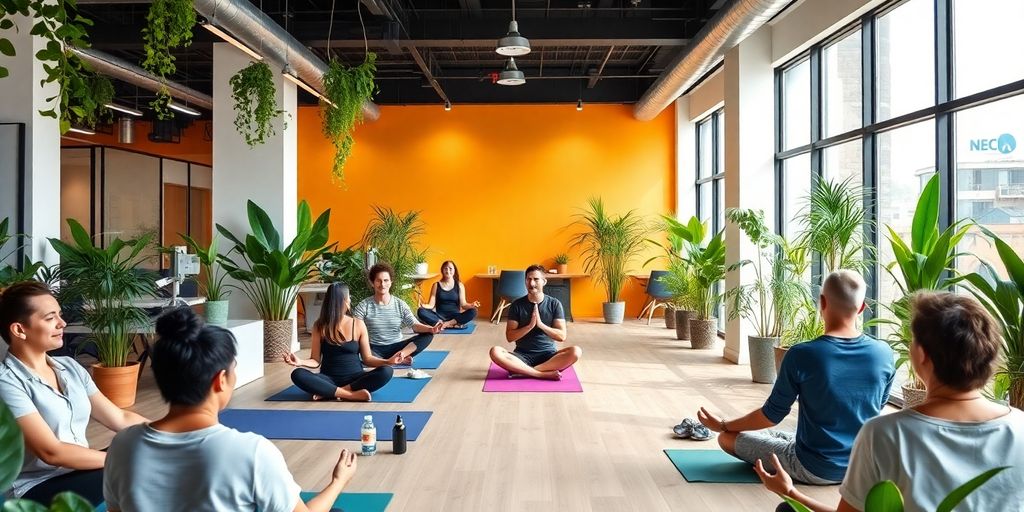
It's no secret that a happy employee is a productive employee. Companies are finally starting to realize this and are putting more effort into wellbeing initiatives. It's not just about throwing in a few extra vacation days; it's about creating a culture that supports employees' mental, physical, and emotional health.
Employee wellbeing must remain a top priority.
Here's what I'm seeing:
- Mental health support: More companies are offering access to therapy, counseling, and mindfulness programs. It's becoming less taboo to talk about mental health at work, which is a huge step forward.
- Flexible work arrangements: This isn't just about remote work. It's about giving employees control over their schedules and allowing them to balance their work and personal lives.
- Wellness programs: Think gym memberships, healthy eating challenges, and on-site fitness classes. These programs encourage employees to take care of their physical health.
Companies are starting to use AI to analyze workload patterns and identify employees who might be at risk of burnout. This allows HR teams to step in and offer support before it's too late. It's all about being proactive and creating a culture that values employee wellbeing.
It's not just a nice-to-have anymore; it's a must-have for attracting and retaining top talent.
5. Sustainable Work Practices

It's not just about profits anymore; it's about the planet too. Companies are under increasing pressure to adopt sustainable practices, and this trend is only going to accelerate. Consumers and investors alike are demanding it, and frankly, it's the right thing to do. This means rethinking everything from energy consumption to waste management.
Here's what sustainable work practices might look like:
- Reducing carbon footprint by encouraging eco-friendly commuting options.
- Implementing workforce transformation strategies that prioritize environmental considerations.
- Adopting circular economy models to minimize waste.
Companies need to walk the walk, not just talk the talk. This means setting clear sustainability goals, tracking progress, and being transparent about their impact. It's about integrating sustainability into the core of the business, not just treating it as an afterthought.
Wrapping It Up
As we look ahead, it's clear that the workplace is in for some big changes. The trends we've discussed are not just passing fads; they're shaping how we work, interact, and grow as professionals. Embracing technology, focusing on well-being, and adapting to new ways of working will be key. Companies that can stay flexible and open-minded will likely thrive. So, whether you're a leader or an employee, it's time to get ready for a future that’s all about collaboration, innovation, and a better work-life balance. The future of work is here, and it’s up to us to make the most of it.
Frequently Asked Questions
What does it mean for AI to be a career coach?
AI as a career coach means using technology to help people plan their careers and make better job choices. It can give personalized advice based on your skills and interests.
Why is digital upskilling important?
Digital upskilling is important because it helps workers learn new skills related to technology. This makes them more valuable in their jobs and helps them adapt to changes in the workplace.
How has remote work changed the way we work?
Remote work allows people to work from anywhere, not just the office. This change gives employees more flexibility and can lead to better work-life balance.
What are employee wellbeing initiatives?
Employee wellbeing initiatives are programs that help workers stay healthy and happy. This can include mental health support, fitness programs, and flexible work hours.
How do sustainable work practices benefit companies?
Sustainable work practices help companies reduce waste and use resources wisely. This can save money and improve the company's image, making it more attractive to customers.
What trends should we expect in the future of work?
In the future, we can expect more use of AI, a focus on skill development, continued remote work, emphasis on employee wellbeing, and a push for sustainability in the workplace.
Posting Komentar untuk "5 Game-Changing Trends Shaping the Future of Work"